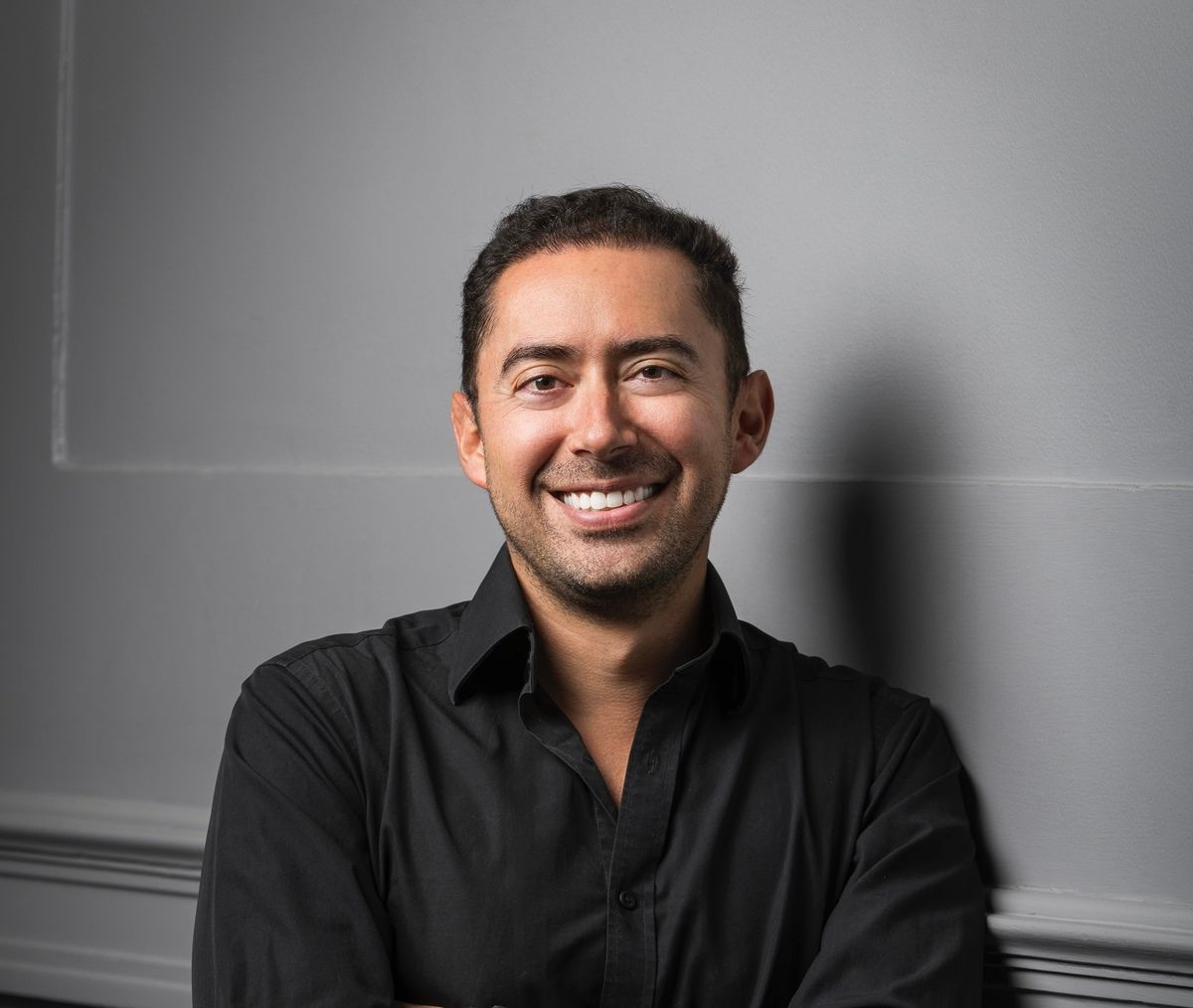
Beverly Hills. A sleek showroom lined with Rolexes, Pateks and Richard Milles. Outside, a red Lamborghini idles beneath the California sun.
Cameras click as a sharply dressed man greets clients with a smile. He calls himself the self-styled “Timepiece Gentleman.”
But behind the polish and Instagram fame was a darker story: one of trust betrayed and millions laundered through luxury timepieces.

⚬

Anthony Farrer, 36, built a reputation as a trusted luxury watch dealer in Los Angeles, using the name ‘The Timepiece Gentleman’ for his Beverly Hills consignment store and social media brand.
In reality, from late 2022 through 2023 he ran a sprawling fraud/Ponzi scheme. Dozens of wealthy clients shipped him Rolexes, Patek Philippes and other high-end watches to sell “on consignment”.
This means Farrer would display the watches in his store or online and take a standard ~5% commission.
But had he done that, you would not be reading about him in Polar Insider.
Instead of holding their trust, he held onto their money.
Over and over, Farrer took clients’ watches or funds and vanished. He sold consigned watches and kept the cash, never sending proceeds back to the owners. He took advance payments for rare watches and never delivered them, sometimes only sending a different watch (often one borrowed from another client) to stave off suspicion.
He even used clients’ watches as collateral on personal loans – unbeknownst to the owners. In short, every sale or purchase he promised became a cover for filling his own wallet.
By mid-2023, Farrer had scammed over 40 victims and siphoned roughly $5.7 million. A U.S. Attorney’s press release summarized the long con: “Rather than remitting [consignment] funds… he kept the proceeds for himself,” funding a “lavish” lifestyle of Lamborghinis, Ducati motorcycles, luxury apartments and even Las Vegas gambling excursions.
He posted daily on YouTube and Instagram where he often showed off new watches even as clients were left empty-handed.
Law enforcement finally caught up when irate owners reported never receiving sales proceeds or their own watches back. Farrer abruptly closed his store in August 2023 and hit the road for a “look-at-me” lifestyle, before federal agents arrested him in November 2023.
⚬

How the Con Worked: A Luxury Ponzi
Farrer’s scheme had classic Ponzi-type elements.
He carefully curated a trustworthy brand – Gentlemen Timepieces, later The Timepiece Gentleman – and initially fulfilled small orders to build confidence.
Early clients paid a modest fee or sent a cheap watch, got it back with a small profit, and left glowing reviews. These small “wins” lulled new victims into sending him far larger, more valuable consignments.
According to his indictment and plea affidavit, he told some owners that their watches had simply “not sold yet,” even as he quietly converted them to cash.
When a wealthy collector wired funds for a specific timepiece, Farrer typically kept the money. If pressed, he sometimes shipped another luxury watch to the buyer as a decoy payment which in fact belonged to a different victim and was on consignment with him.
In one documented case, a client who was owed $250,000 got a Rolex shipped instead that he didn’t choose, and one he was owed no rights to.
Clients weren’t told these maneuvers; they thought they were getting a “bonus” or an “advance” while their real purchase was in transit.
This juggling act masked the money flow. Each incoming payment from a new client was partially used to cover earlier obligations (much like paying old creditors with new loans).
Meanwhile, Farrer was using the cash to fund himself. The Justice Department called it “Ponzi-style,” and noted his victims only discovered the truth when too many transactions unspooled at once.
By the time investigators closed in, the totals were staggering: more than 40 victims, with losses of at least $5.69 million.
The consigned watches themselves – high-demand models by Rolex, Patek Philippe, Richard Mille and others – were effectively converted into clean money for Farrer.
As one observer put it, Farrer was “trading his luxury watches for prison time”.
In early 2025 he was sentenced to 70 months (nearly six years) in federal prison after pleading guilty to wire fraud and mail fraud.
⚬
Flow of Funds
How Luxury Watches Become Integration Tools


Red Flags & AML Signals
Looking back, plenty of warning signs emerged.
In a legitimate consignment, a dealer receives a watch, tries to sell it, and then remits the proceeds (minus fees) back to the seller.
In Farrer’s case, consignment owners were routinely left hanging: watches were “not sold yet,” but clients never saw the agreed-upon returns.
Banks and regulators can learn from this. For dealers in precious goods, AML guides stress that key red flags include:
Unusual collateral use: Farrer using clients’ watches as loan collateral is a textbook red flag. Legitimate dealers generally cannot pledge a seller’s property without permission.
Consignment abuse: He sold without permission (keeping sales proceeds) and failed to return unsold items. Any prompt requiring clients to wire money up-front without escrow should trigger suspicion.
Flashy lifestyle beyond means: Farrer’s Instagram and YouTube bragged of Lamborghinis and gambling trips as he owed clients millions. AML guidelines warn that client purchases financing extreme wealth are suspect.
Overlapping transactions: Continuously using new victims’ payments to ‘cover’ old promises is classic layering. For example, sending one client’s watch to another to “tide them over” mixed assets and liabilities in a way regulators look out for.
Victim complaints and missing funds: Dozens of victims reported unpaid consignments and wire transfers gone awry by mid-2023. Multiple filed complaints or chargebacks in a dealer’s accounts signal a potential fraud ring.
From an AML perspective, note how watches amplify risk. They are easily transported high-value goods.
As Australia’s financial watchdog AUSTRAC advises, luxury watches are “easily transported across…borders,” of “high value,” and often sold with cash. These qualities make them prime candidates for laundering.
In Farrer’s case, his scheme turned dozens of pristine assets into bank deposits and lavish spending. This is an informal form of integration. Criminals often use such deals to “clean” money as they can buy or sell watches to shift illicit funds under the radar.
⚬

The Fall: Confession and Arrest
August 2023 saw The Timepiece Gentleman’s façade crumble.
Farrer shuttered his Beverly Hills shop and disappeared from the scene.
In a bizarre turn, he posted a series of YouTube confessions titled “Road to Redemption,” admitting he had lied, scammed people and was now “$5 million in debt”. He vowed to make amends and called the backlash “crazy,” as he yanked down most of his social media.
The bravado only lasted a few months as on Nov. 7, 2023, FBI agents quietly arrested Farrer at a storage unit, ending his escapades.
In court documents, prosecutors stressed how he had fully “exploited his clients’ trust”.
The Timepiece Gentleman became a cautionary tale.
Though marketed as an elite broker, his business was an “affiliation scheme” manipulated to funnel millions into one person’s pocket.
The victims and fellow collectors (who thought they knew watch trading) learned a hard lesson about blind trust.
⚬

⚬

Lessons Learned and Looking Forward
Anthony Farrer’s case underscores a fundamental truth in financial crime: luxury assets can hide a multitude of sins.
Every Rolex he sold on consignment became a vehicle to integrate stolen value into legal streams.
This echoes broader AML lessons. Criminals prize watches because they are portable, hold value, and face limited regulation.
For AML professionals and regulators, the moral is clear.
When even high-class businesses show cracks, look beyond the glossy exterior. Monitor unusual consignment arrangements and high-value transactions.
If a dealer’s buyers or sellers seem more focused on status (perfect straps, gleaming dials, flashy car keys) than paperwork, be cautious.
Are proceeds actually reaching rightful owners? Is someone’s “dream watch” funded by someone else’s nightmare? These are the questions our field must ask.
⚬

⚬

In the end, the story of the Timepiece Gentleman is also a story about trust and skepticism.
In the world of luxury watches (and luxury) appearances deceive.
As one DOJ agent noted, the moniker “Timepiece Gentleman” masked a con man. It’s a reminder that AML vigilance must match the allure, no matter how polished the pitch or bright the showroom lights, the rings of ill-gotten gains can echo in even the finest timepieces.
⚬

Broader Impact
This case reinforces a global trend: luxury assets are increasingly used as integration tools for illicit funds. Unregulated watch trading, particularly among private dealers, poses major AML risks.
Future Implications:
AML Obligations: High-value dealers in the U.S. may face stricter requirements.
FTC Rules: Stronger regulations around influencer-based financial misrepresentations.
Industry Push: Calls for provenance systems and watch registries (e.g., Rolex, AP, Patek).
⚬
Reflection
High-value, portable goods like watches create a perfect environment for fraud, misappropriation, and informal money laundering when controls are weak, trust is unchecked, and client funds aren’t segregated.
This case shows that when businesses built on reputation and appearances operate without financial oversight, criminals can easily exploit the model to convert stolen value into “clean” money, deceive victims through Ponzi-style cycles, and mask illicit behavior behind luxury branding.
⚬
Quote
“Luxury goods have become one of the most attractive vehicles for concealing illicit funds. They move easily, carry value globally, and operate outside traditional oversight.”
— Senior U.S. Postal Inspector, following the Farrer sentencing
⚬
Typology Breakdown
Typology | Description | Red Flags | Controls That Failed |
|---|---|---|---|
Fraud-based laundering | Misappropriating customer assets to fund operations | Delayed refunds; inconsistent explanations | No audit of consignment liabilities |
Commingling of funds | Mixing legitimate and illicit proceeds | Large wires inconsistent with declared revenue | No segregation of client funds |
Luxury-asset integration | Using watches to convert illicit proceeds | Continuous high-value purchases despite losses | No scrutiny of luxury-goods transactions |
Ponzi-style repayments | Using new funds to pay prior victims | Irregular, partial, or non-sequential payments | Absence of reconciliations or trust accounts |
⚬
Sources & References
U.S. Attorney’s Office, Central District of California – DOJ Press Release, Jan 31, 2025
FBI & USPIS investigative notes (public summaries in DOJ release)
Coverage in watch-industry publications (e.g., Hodinkee, WatchPro)
Los Angeles Times – reporting on victim complaints Court filings in United States v. Anthony Farrer (CDCA)


